Build Self-Responsibility: A Guide for Parents and Educators

Building self-responsibility in children is a fundamental aspect of their development that goes far beyond simple task completion or following rules. 

It’s about helping children develop the internal compass that guides them to make thoughtful decisions, understand the impact of their actions, and take ownership of their choices.

For children aged 6 and up, developing self-responsibility creates a foundation for future success, emotional well-being, and positive relationships.

This guide offers research-based strategies and practical activities that help cultivate this essential life skill through engaging, age-appropriate approaches.

Why Focus on Self-Responsibility?

Developing self-responsibility in children:

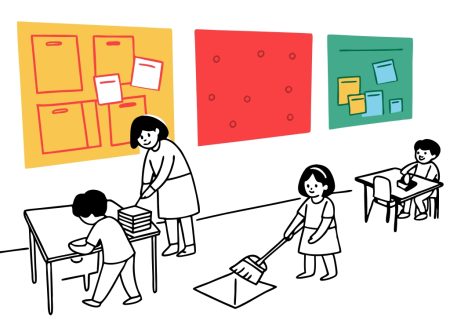
children-learning-self-responsibility-in-the-class
  • Builds confidence and self-esteem through mastery of tasks and decision-making
  • Enhances emotional intelligence and awareness of how actions affect others
  • Creates a strong foundation for future independence and success
  • Develops problem-solving skills and resilience
  • Improves social relationships and understanding of community responsibility

Our Four-Strategy Approach

1. Encourage Interaction and Social Play

Social interaction serves as a powerful tool for developing self-responsibility. 

Through structured group activities and collaborative play, children learn to:

  • Navigate social relationships respectfully
  • Understand the impact of their actions on others
  • Develop teamwork and cooperation skills
  • Build empathy and social awareness
  • Take responsibility for their role in group success

Featured Activities:

  1. Team Treasure Hunt: A collaborative adventure that builds cooperation and shared responsibility
  2. Role-Playing Games: Scenarios that develop empathy and understanding
  3. Group Art Projects: Creative collaboration that teaches shared ownership
  4. Cooperative Board Games: Structured play that emphasizes working together
  5. Social Skills Storytime: Interactive reading that reinforces social responsibility
{"aigc_info":{"aigc_label_type":0,"source_info":"dreamina"},"data":{"os":"web","product":"dreamina","exportType":"generation","pictureId":"0"},"trace_info":{"originItemId":"7495003126806646069"}}

For Kids

Bluey:

Episode: Hospital
Season 1, Episode 2

Dad’s back hurts, so the girls play Hospital. Doctor Bluey and Nurse Bingo diagnose a cat in his tummy. When surgery fails, Bingo re-examines the x-ray and discovers the real problem — a mouse the cat is chasing.

Why it matters. This is one of the first episodes of the entire series, and it quietly demonstrates something powerful about self-responsibility: the willingness to go back and look again when your first attempt doesn’t work. Bluey is the confident doctor — she charges in with needles, diagnoses quickly, operates immediately. But it’s Bingo, the quieter nurse, who takes responsibility for the outcome when things go wrong. She doesn’t blame the patient or give up. She goes back to the x-ray and finds what everyone missed. For a child learning about self-responsibility, this reframe matters enormously. Being responsible isn’t just about doing your job. It’s about owning the result — and being willing to try a different approach when the first one fails. The episode also models something subtle: Bingo doesn’t wait to be told to re-examine the x-ray. Nobody assigns her that task. She sees the problem and decides, on her own, to look deeper. That’s initiative — the seed from which genuine self-responsibility grows.

After watching:

  • “When the surgery didn’t work, Bluey wanted to give up and see other patients. Bingo went back and looked at the x-ray again. What made them react so differently?”
  • “Has there ever been a time you tried something, it didn’t work, and you had to go back and try a different way?”
  • “Nobody told Bingo to check the x-ray again — she decided to do it herself. Why is that different from being told what to do?”
  • “Dad played along with everything, even the needles. How does someone playing along help you take your role more seriously?”

2. Adopt a Supportive Parenting Style

A supportive approach to parenting creates an environment where children feel safe to take on responsibilities and learn from their experiences. 

This strategy focuses on:

  • Building independence through guided practice
  • Fostering self-confidence through meaningful praise
  • Teaching responsibility through age-appropriate tasks
  • Developing problem-solving skills
  • Celebrating effort and progress

Featured Activities:

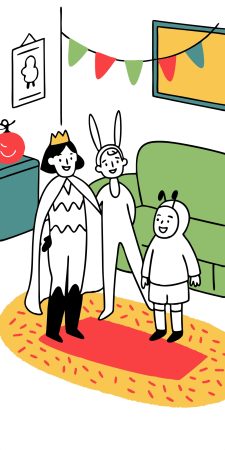
  1. Dress-Up Challenge: Promoting independence in self-care
  2. Effort Praise Jar: Reinforcing the value of trying and persisting
  3. Responsibility Chart: Visual tracking of growing capabilities
  4. Problem-Solving Scenarios: Guided practice in decision-making
  5. Show and Tell – My Efforts: Celebrating personal growth and achievement
{"aigc_info":{"aigc_label_type":0,"source_info":"dreamina"},"data":{"os":"web","product":"dreamina","exportType":"generation","pictureId":"0"},"trace_info":{"originItemId":"7495003126806646069"}}

For Kids

Bluey:

Episode: Mum School
Season 2, Episode 14

Bluey plays mum to a brood of balloon children, with Chilli keeping score. The helium balloon Greeny won’t behave — he floats away, causes fights, and resists every strategy Bluey tries. She eventually learns that some children need patience, not control.

Why it matters. Bluey starts this episode thinking self-responsibility means being in charge. She names her balloon children, sets up movie time, assigns seats. She’s doing all the visible things a “good mum” does. But Greeny keeps floating away — not out of disobedience, but because that’s his nature. He’s a helium balloon. He literally can’t help it. Bluey’s first instinct is force: she stuffs him under a cushion, hits the balloons with a wrapping paper tube, locks Greeny under a laundry basket. Chilli deducts points for all of it. The turning point comes when Bluey watches Bandit handle a stubborn Bingo — not with force, but with understanding. He figures out she’s hungry, not naughty. Bluey takes the lesson back to Greeny. She can’t stop him floating, but she can weigh him down gently with a fridge magnet and let him be who he is. When Greeny eventually floats out the window and away forever, Chilli’s comfort is perfect: he’ll be okay, because he’s got a great mum. Self-responsibility, this episode teaches, isn’t about controlling every outcome. It’s about showing up, doing your best, and accepting that some things are beyond your grip.

After watching:

  • “Bluey tried lots of ways to control Greeny — cushions, the wrapping paper tube, the laundry basket. Why didn’t any of those work?”
  • “Chilli said Greeny would be okay because he’s got a great mum. But Bluey said she failed Mum School. Can both of those things be true at the same time?”
  • “What did Bluey learn from watching Dad handle Bingo that she couldn’t figure out on her own?”
  • “Have you ever been responsible for something — a pet, a younger kid, a project — that didn’t go the way you planned? What did you learn?”
  • “Greeny floated away at the end. Was that Bluey’s fault? Why or why not?”

3. Multisensory Activities

Engaging multiple senses helps children develop a stronger sense of self and greater awareness of their environment. 

These activities:

  • Enhance bodily self-consciousness
  • Develop sensory awareness and integration
  • Build confidence through diverse experiences
  • Create memorable learning opportunities
  • Strengthen neural connections

Featured Activities:

  1. Sensory Scavenger Hunt: Exploring the world through different senses
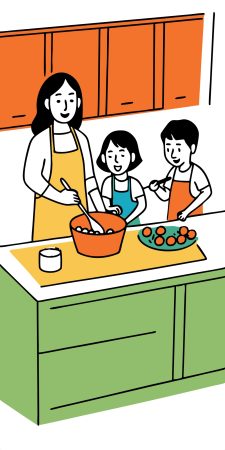
  2. Cooking Together: Hands-on learning about following steps and safety
  3. Musical Exploration: Understanding rhythm, timing, and coordination
  4. Textured Art Projects: Creating with diverse materials and techniques
  5. Nature Exploration Walk: Discovering responsibility to the environment
{"aigc_info":{"aigc_label_type":0,"source_info":"dreamina"},"data":{"os":"web","product":"dreamina","exportType":"generation","pictureId":"0"},"trace_info":{"originItemId":"7495003126806646069"}}

For Kids

Bluey:

Episode: Omelette

Season 3, Episode 5

It’s Dad’s birthday. Bingo wants to help Mum make his omelette, but she drops eggs, spills things, and slows everything down. Mum takes over — then realises she made the wrong call, and gives Bingo the job back.

Why it matters. This episode is about something every child needs to experience: being trusted with a real task, failing at it, and being given the chance to try again. Bingo doesn’t want a pretend job. She doesn’t want to make the card (already done) or play with the salt and pepper shakers. She wants to crack the eggs. And she’s terrible at it — shells everywhere, egg on the floor, bowls crashing out of the cupboard. Chilli’s instinct is understandable: take over, do it quickly, do it right. But when she overhears Bingo’s quiet game with the salt and pepper soldiers — where the little one isn’t allowed to help because they’re “no good at it” — Chilli recognises what she’s really teaching her daughter. So she lies. She tells Bingo she made the omelette wrong and needs her help to make another one. What follows is a montage of Bingo gradually, messily, beautifully learning. They borrow eggs from two neighbours. The omelette looks terrible. Dad says it’s the best he’s ever had. Self-responsibility can’t develop if someone always takes the hard parts away from you. This episode is a love letter to letting children struggle — and trusting them enough to let the omelette look wrong.

After watching:

  • “Mum took over making the omelette because it was faster. Was that the right decision? What did she miss?”
  • “Bingo played a game where the little soldier wasn’t allowed to help. Why did that make Mum change her mind?”
  • “It took two extra batches of eggs from the neighbours before Bingo got it right. Is that wasteful, or is that learning? Can it be both?”
  • “Dad said it was the best omelette he’d ever had. Was he just being nice, or did he mean it? Why?”
  • “Think of something you can do now that you were once terrible at. Who let you keep trying?”

4. Discuss and Reflect on Emotions

Understanding and managing emotions is crucial for developing self-responsibility.

This strategy helps children:

  • Recognize and articulate their feelings
  • Understand emotional causes and effects
  • Develop empathy for others’ emotions
  • Make responsible choices based on emotional awareness
  • Build emotional resilience

Featured Activities:

  1. Emotion Diary: Daily reflection on feelings and experiences
  2. Feeling Charades: Interactive exploration of emotional expression
  3. Problem-Solving Skits: Acting out emotional scenarios and solutions
  4. Storytime Reflections: Discussing characters’ emotions and choices
  5. Artistic Expression of Emotions: Creative outlets for emotional understanding
{"aigc_info":{"aigc_label_type":0,"source_info":"dreamina"},"data":{"os":"web","product":"dreamina","exportType":"generation","pictureId":"0"},"trace_info":{"originItemId":"7495003126806646069"}}

For Kids

Bluey:

Episode: Musical Statues
Season 3, Episode 27

The Heelers come home cranky and out of sync — Bingo wants Dad, Dad wants to run, Bluey can’t pick dinner, Mum is frazzled. Chilli stops everything and declares: we’re playing Musical Statues. The game reconnects them all.

Why it matters. This episode is about something children rarely see modelled: an adult taking responsibility for the emotional temperature of the room and doing something about it. Nobody asks Chilli to intervene. Nobody says “we need to play a game.” She reads the situation — four family members pulling in four different directions — and she makes a call. That’s self-responsibility at the family level. But the episode goes deeper. Bandit tries to sabotage the game immediately, declaring everyone “out” for blinking after two seconds. Bingo throws his own words back at him: do it properly, or don’t do it at all. Bluey refuses to dance until they play her favourite song. Everyone has to move through resistance before the game works. And when it finally does — when they’re all dancing and laughing and nobody cares about the run or the dinner — Chilli delivers the episode’s real message, inspired by Alan Watts: the point of the music isn’t to get to the end of the song. The point is to dance while it’s playing. Self-responsibility here isn’t about chores or tasks. It’s about recognising that your mood affects the people around you, and choosing to show up anyway — even when you don’t feel like it.

After watching:

  • “Mum stopped everyone and said they were playing Musical Statues. Nobody asked her to do that. Why did she think it was needed?”
  • “Dad tried to get out of the game straight away by saying everyone was ‘out.’ Why do you think he did that? Have you ever tried to get out of something you ended up enjoying?”
  • “Bluey didn’t want to dance at first either. What changed her mind?”
  • “At the end, Mum said the music doesn’t have to stop — they could just dance. What do you think she really meant by that?”

Getting Started

Each strategy section includes detailed activities, implementation guides, and tips for success. 

Choose activities based on:

strength-and-interest-discovery-activities-help-ch (1)
  • Your child’s current developmental level
  • Their interests and preferences
  • Your family’s schedule and resources
  • Specific areas where you’d like to see growth

Remember that building self-responsibility is a gradual process that requires:

  1. Consistent support and encouragement
  2. Recognition of small progress steps
  3. Patience with setbacks and challenges
  4. Adaptation of activities as children grow
  5. Regular reflection and adjustment of approaches
model-critical-thinking-to-your-children-by-voicin

Tips for Success

When implementing these activities:

  • Start with activities that match your child’s current abilities and gradually increase complexity
  • Create a supportive environment where mistakes are viewed as learning opportunities
  • Maintain consistent expectations while being flexible with methods
  • Celebrate effort and progress rather than just outcomes
  • Model the responsible behaviors you want to encourage
  • Make learning fun and engaging through play and creativity

Ready to Begin?

Select any of the four strategy sections above to find detailed activities and implementation guides. Each section provides practical tools and approaches that you can start using today to help your child develop greater self-responsibility.

Remember: Building self-responsibility is a journey that unfolds over time through consistent practice, supportive guidance, and plenty of opportunities for hands-on learning and reflection.

Film & Novel Recommendations

Film: Holes (2003) Director: Andrew Davis | Runtime: 111 minutes | Origin: USA (Disney)
Novel: Holes by Louis Sachar Publisher: Farrar, Straus and Giroux (1998) | Pages: 233 | Awards: Newbery Medal, National Book Award

Song: Find Your Compass

Small steps forward every day
Little choices light the way

Yesterday you tied your shoes
Today you’re making brand new moves
Learning how to speak your mind
Finding courage deep inside
When you fall, you get back up
That’s what makes you tough enough

It’s not about being perfect
It’s about giving your all
Standing tall when you succeed
Learning when you fall

Find your compass, find your way
Take a little more control each day
Your choices matter, your voice is strong
Through every right and every wrong
This journey’s yours to own

(Oh oh oh) One step at a time
(Oh oh oh) You’re gonna shine

Working with your friends at play
Seeing how your actions weigh
Learning when to lead the charge
When to listen, when to pause
Building up that inner strength
Finding your own wavelength

It’s not about the finish line
It’s how you run the race
Finding joy in challenges
Meeting them with grace

Find your compass, find your way
Take a little more control each day
Your choices matter, your voice is strong
Through every right and every wrong
This journey’s yours to own

[Bridge, Stripped back, Piano focus]
The world is waiting for your light
Your special gifts, your unique sight
With every challenge that you face
You find your power, you find your place

And when you feel like giving in
Remember where you’ve always been
The strength you need is there inside
Trust yourself and you will fly

Find your compass, find your way
Take a little more control each day
Your choices matter, your voice is strong
Through every right and every wrong
This journey’s yours to own

Small steps forward every day
Little choices light the way
This journey’s yours to own