Begin to Contribute to Society: Guiding Children Toward Meaningful Participation

Helping children understand their place in the broader community and discover ways to contribute positively is an essential aspect of their development. 

Even at a young age, children can begin to recognize that they are part of something larger than themselves and that their actions can make a meaningful difference in the lives of others.

This guide provides research-based strategies and engaging activities designed for children aged 7 and up, helping them develop the awareness, skills, and motivation to contribute positively to society. 

Through these approaches, children build a foundation for lifelong civic engagement and social responsibility.

contributing-to-society-through-meaningful-partici

Why Focus on Societal Contribution?

Introducing children to the concept of societal contribution:

children-contributing-to-society
  • Builds empathy and social awareness
  • Develops a sense of purpose and meaning
  • Strengthens community connections
  • Enhances self-confidence and personal agency
  • Creates a foundation for responsible citizenship
  • Helps children see beyond themselves to broader social needs
  • Connects personal strengths to community impact

Our Five-Strategy Approach

1. Cultivate an Understanding of Personal Strengths and Interests

Helping children identify their unique abilities and interests creates a foundation for meaningful contribution. 

This strategy focuses on connecting individual talents to ways they can benefit others and society.

Featured Activities:

  • Strengths Discovery Workshop:
    Exploring and identifying personal abilities
  • Talent Showcase:
    Sharing gifts with others in meaningful ways

  • Strengths-Based Community Project:
    Using talents to help the community

  • Strengths and Goals Journal:
    Documenting growth and contribution ideas

  • Expert for a Day:
    Teaching others about personal areas of interest
{"aigc_info":{"aigc_label_type":0,"source_info":"dreamina"},"data":{"os":"web","product":"dreamina","exportType":"generation","pictureId":"0"},"trace_info":{"originItemId":"7495003126806646069"}}

For Kids

Bluey:

Episode: Handstand
Season 3, Episode 4

It’s Bingo’s birthday party and everyone is playing, but Bingo quietly steps away to practise a handstand by herself. She doesn’t announce it, doesn’t ask for attention — she just keeps trying, falling, and getting back up. By the end, she nails it, and the achievement belongs entirely to her.

Why it matters. Seven-year-olds are constantly being told to find what they’re good at, but rarely shown what that process actually looks like. It’s not loud. It’s not instant. It’s Bingo, at her own party, choosing to work on something that matters to her — even when nobody is watching or cheering. This episode shows your child that real strengths aren’t just things that come easily. They’re things you care enough about to keep practising, quietly and patiently. For a child beginning to discover what they’re good at and how those strengths might matter to others, Bingo’s determination is the perfect starting point.

After watching:

  • “Bingo kept practising even though nobody was really watching. Have you ever worked on something just because you wanted to get better at it, not because anyone told you to?”
  • “Why do you think it felt so good for Bingo when she finally did the handstand? Would it have felt the same if someone had done it for her?”
  • “What’s something you’re good at that took a lot of quiet practice to get right?”
  • “How could something you’re personally good at one day help other people too?”

2. Promote Social Awareness and Responsibility

Developing awareness of community needs and understanding social responsibility helps children recognize opportunities to make a difference. 

This strategy emphasizes practical experiences that demonstrate the impact of caring actions.

Featured Activities:

  • Family Volunteering Day:
    Engaging in service together

  • ‘Helping Hands’ Chart:
    Tracking and celebrating contributions

  • Environmental Stewardship Projects:
    Caring for shared natural resources

  • Community Awareness Walks:
    Observing neighborhood needs

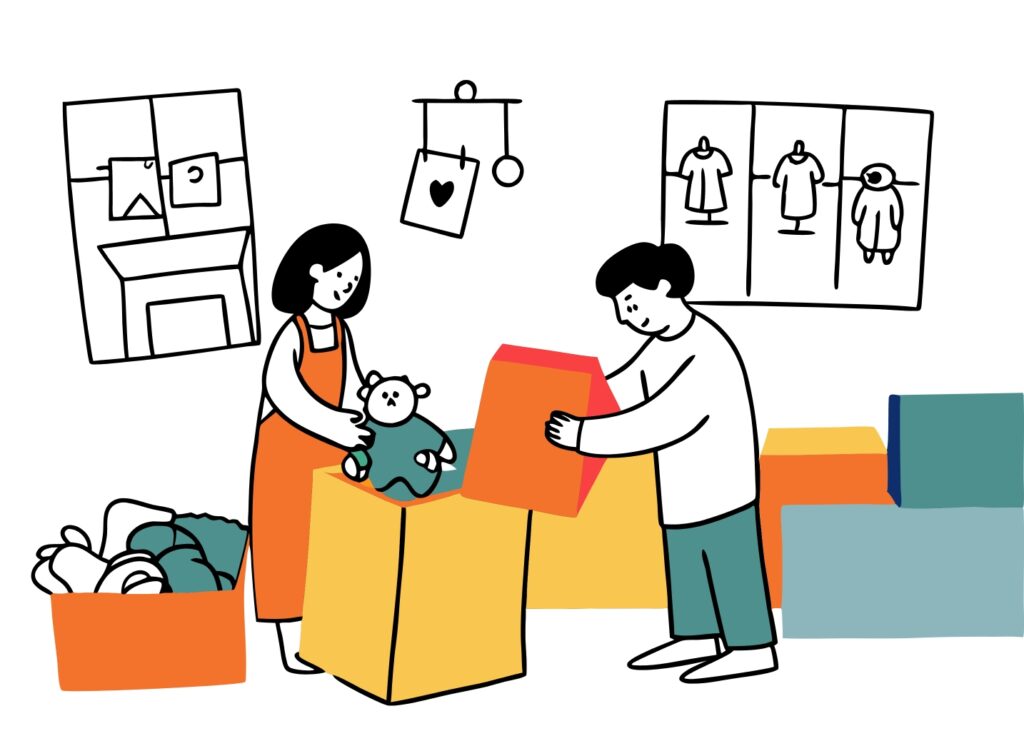
  • Donation Sorting and Giving:
    Learning about resource sharing
{"aigc_info":{"aigc_label_type":0,"source_info":"dreamina"},"data":{"os":"web","product":"dreamina","exportType":"generation","pictureId":"0"},"trace_info":{"originItemId":"7495003126806646069"}}

For Kids

Bluey:

Episode: Circus
Season 1, Episode 38

Bluey and her cousins put on a backyard circus, but Bluey wants to be the star of every act. When she hogs the spotlight, the show falls apart. It’s only when she steps back and lets everyone contribute their own talent that the circus becomes something worth watching — and everyone, audience included, has a better time.

Why it matters. Contributing to something bigger than yourself starts with a surprisingly hard lesson: you’re not the only one with something to offer. At seven, children are still learning that sharing responsibility and recognition doesn’t diminish them — it makes the whole thing better. This episode shows your child that a community works best when everyone gets to contribute, not when one person tries to do it all. The backyard circus is a perfect small-scale model for how societies function: everyone brings what they’re good at, and the result is something no one person could have created alone.

After watching:

  • “The circus only worked when everyone got a turn to do their thing. Have you ever been part of something that worked better because everyone contributed?”
  • “Bluey wanted to be in charge of everything. Why do you think that made the show worse instead of better?”
  • “What happens in a group — at school, in sport, or at home — when one person tries to do everything themselves?”
  • “If you were putting on a show with your friends, how would you make sure everyone felt included and important?”

3. Stimulate Parental Involvement and Learning at Home

Building knowledge and skills at home creates the foundation for meaningful societal contribution. 

This strategy connects learning to real-world application and social impact.

Featured Activities:

  • Family Reading Time:
    Exploring ideas through diverse literature

  • Home Science Lab:
    Discovering solutions to real-world problems

  • Math Games and Challenges:
    Developing skills with practical applications

  • Creative Writing and Storytelling:
    Expressing ideas that matter

  • Educational Field Trips:
    Connecting learning to community contexts
{"aigc_info":{"aigc_label_type":0,"source_info":"dreamina"},"data":{"os":"web","product":"dreamina","exportType":"generation","pictureId":"0"},"trace_info":{"originItemId":"7495003126806646069"}}

For Kids

Bluey:

Episode: Dad Baby
Season 2, Episode 12

Bluey and Bingo convince Bandit to play a game where he pretends to be pregnant and give birth. It’s absurd and hilarious, but through the silliness, the kids end up learning something real about what Chilli went through, what families experience, and how play at home can open the door to genuine understanding about life’s biggest moments.

Why it matters. Some of the most meaningful learning doesn’t happen in classrooms or on field trips — it happens on the living room floor in the middle of a ridiculous game. This episode captures that perfectly. Bandit doesn’t sit his kids down for a lesson about childbirth and family. He plays along, and the understanding emerges naturally. For a seven-year-old, this models something essential: that home is a place where curiosity is welcome, questions are safe, and even silly play can lead to real insight. When children learn through connection and laughter with their parents, the lessons stick deeper than any textbook.

After watching:

  • “The game was really silly, but Bluey and Bingo actually learned something real from it. Can you think of a time you learned something important while just playing or mucking around?”
  • “Why do you think learning at home with your family sometimes feels different from learning at school?”
  • “What’s something you’d love to learn more about that you could explore at home with your family?”
  • “How does playing together — even silly games — help families understand each other better?”

4. Enhance Societal Interest through Role Models

Introducing children to inspiring examples helps them envision their own potential for positive impact. 

This strategy uses stories and real-life examples to inspire action.

Featured Activities:

  • Hero Biography Time:
    Learning about people who made a difference

  • Role Model Reflection Journal:
    Exploring admirable qualities

  • ‘Act Like a Hero’ Day:
    Practicing positive character traits

  • Community Hero Project:
    Discovering local role models

  • Role Model Art Project:
    Creative expression of inspiring qualities
{"aigc_info":{"aigc_label_type":0,"source_info":"dreamina"},"data":{"os":"web","product":"dreamina","exportType":"generation","pictureId":"0"},"trace_info":{"originItemId":"7495003126806646069"}}

For Kids

Bluey:

Episode: The Dump
Season 2, Episode 16

The family visits the tip and Bluey finds an old toy she wants to keep. Bandit gently helps her understand that some things have served their purpose and letting go is part of growing. He doesn’t force it — he models it, showing through his own actions that moving on from things we’ve outgrown isn’t sad, it’s healthy.

Why it matters. Children learn far more from watching what you do than listening to what you say. This episode captures that truth beautifully. Bandit doesn’t lecture Bluey about letting go — he shows her, through small everyday actions, what it looks like to release something with grace. At seven, your child is watching you constantly and building their understanding of how to behave in the world based on what they see. Role models aren’t always famous people in books. Sometimes the most powerful role model is a parent at the dump, showing their child that growth means being willing to leave some things behind.

After watching:

  • “Bluey wanted to keep the old toy. Have you ever had something you didn’t want to let go of, even though you’d outgrown it? What happened?”
  • “Bandit didn’t tell Bluey what to do — he showed her. Can you think of a time you learned how to handle something by watching someone else do it?”
  • “Who is someone in your life whose actions inspire you to be better — not because they tell you to, but because you see how they behave?”
  • “Why is it sometimes harder to let go of something than to hold onto it, even when holding on doesn’t help you anymore?”

5. Encourage Values of Self-Transcendence and Conservation

Developing values that extend beyond self-interest helps children understand the importance of caring for others and the environment. 

This strategy focuses on building lasting values that motivate contribution.

Featured Activities:

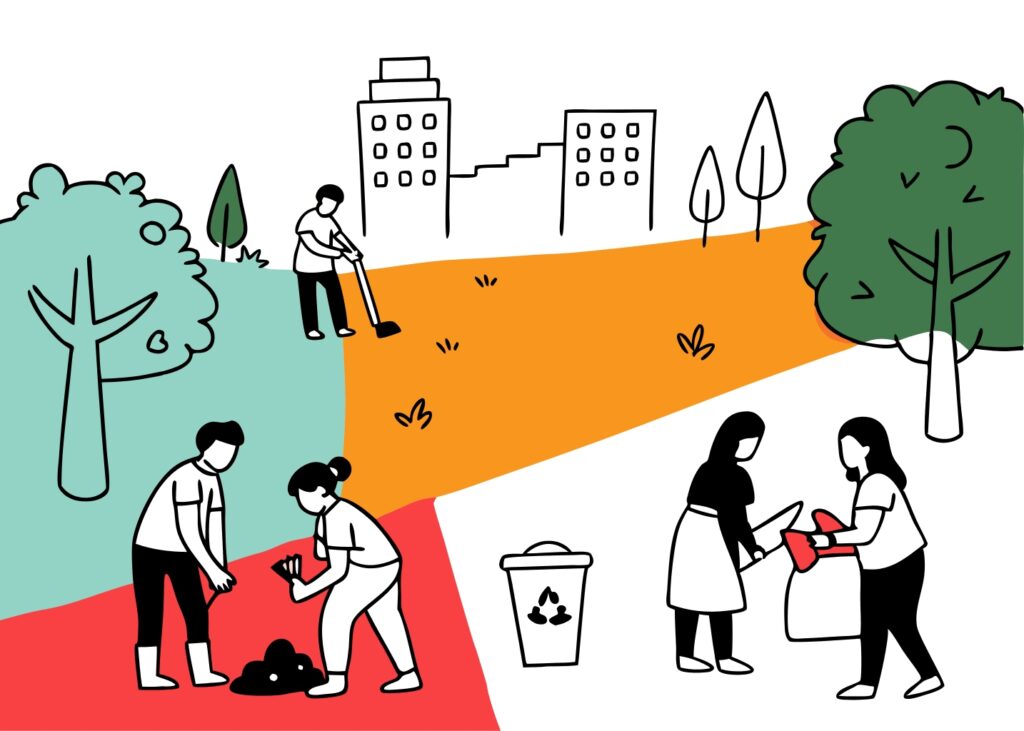
  • Community Clean-Up:
    Taking responsibility for shared spaces

  • Charity Donation and Volunteering:
    Giving time and resources

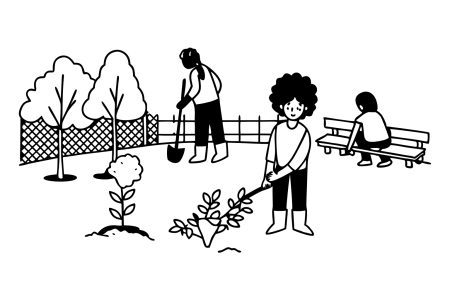
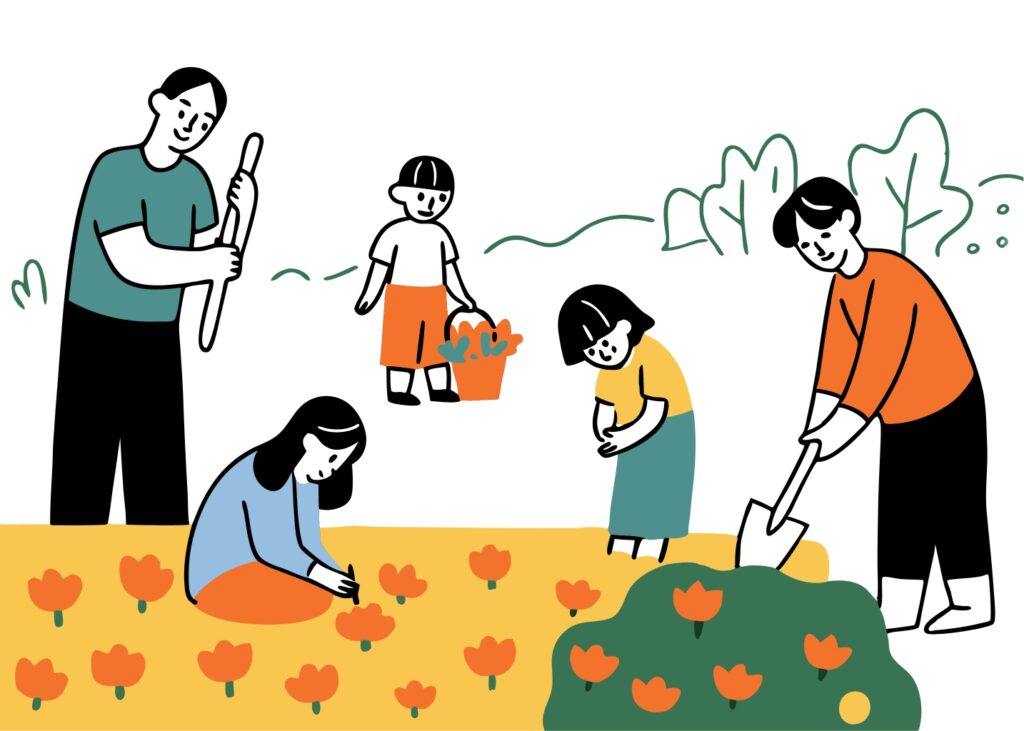
  • Plant a Garden:
    Nurturing living things for community benefit

  • Share and Care Day:
    Practicing generosity and kindness

  • Recycling and Upcycling Project:
    Learning resource conservation
{"aigc_info":{"aigc_label_type":0,"source_info":"dreamina"},"data":{"os":"web","product":"dreamina","exportType":"generation","pictureId":"0"},"trace_info":{"originItemId":"7495003126806646069"}}

For Kids

Bluey:

Episode: Whale Watching
Season 3, Episode 22

The family goes whale watching, but the whales don’t show up straight away. Bluey and Bingo have to wait — really wait — with no guarantee of a reward. When the whales finally appear, the moment is breathtaking precisely because it wasn’t instant or guaranteed. The episode quietly teaches respect for nature, patience, and the idea that some things are bigger than you and can’t be rushed or controlled.

Why it matters. We live in a world of instant everything — instant answers, instant entertainment, instant gratification. This episode pushes gently against all of that. It shows your child that the most meaningful experiences often require patience, respect, and the willingness to be small in the presence of something vast. For a seven-year-old beginning to understand conservation and their relationship with the natural world, this episode plants a seed: the planet doesn’t exist for our convenience. Caring for wildlife and natural systems means accepting that we’re part of something much larger than ourselves — and that’s not frightening, it’s beautiful.

After watching:

  • “The family had to wait a long time before the whales appeared. How would you have felt during that wait? Would you have wanted to give up?”
  • “Why do you think the moment felt so special when the whales finally came? Would it have felt the same if they’d appeared straight away?”
  • “What does it mean to respect nature? How is that different from just enjoying nature?”
  • “Can you think of something in the natural world that you’d like to help protect or take care of? Why does it matter to you?”

Getting Started

Each strategy section includes detailed activities, implementation guides, and tips for success.

When choosing activities, consider:

  • Your child’s current interests and developmental level
  • Opportunities in your local community
  • Family values and priorities
  • Available time and resources
  • Balance between different types of contribution

Remember that helping children begin to contribute to society is a gradual process that involves:

  • Starting with small, meaningful actions
  • Making connections between personal actions and their impact
  • Celebrating all forms of positive contribution
  • Modeling the values and behaviors you hope to encourage
  • Building on natural interests and strengths

Tips for Success

To make the most of these activities:

  • Start with activities that connect to your child’s existing interests
  • Keep experiences positive and age-appropriate
  • Avoid overwhelming children with complex social problems
  • Focus on the joy of helping rather than obligation
  • Point out the specific impact of contributions
  • Allow children to take ownership of their contributions
  • Share your own experiences of making a difference

Ready to Begin?

Select any of the five strategy sections above to find detailed activities and implementation guides. 

Each section provides practical tools and approaches that you can start using today to help your child develop a stronger sense of social connection and contribution.

Remember: The goal is to help children discover the personal satisfaction and sense of purpose that comes from contributing positively to their community and the broader society. This journey begins with small steps that gradually build toward a lifelong orientation toward meaningful participation.

Film & Novel Recommendations

Film: Millions (2005) Director: Danny Boyle | Runtime: 98 minutes | Origin: United Kingdom (Fox Searchlight, Disney)

Song: Begin to Contribute

Sun’s rising on a brand new day
Time to show the world what we can do, what we can say

Little hands reaching out to make a change
Finding their place in this big world stage
It starts with a smile, a kind word too
Learning that life’s about more than just you

When you give a little bit of your heart
That’s how the biggest things start
When you share just a little of your light
The whole wide world gets bright

We all got something to give
Something to share while we live
Every small action, every kind word
Making a difference, making it heard
Yeah, we all got something to contribute
Finding our way, finding our groove
(Backing vocals: “Find your way”)

Seven years old with the world to explore
Finding out what your heart stands for
Plant a seed, clean up a stream
Help someone out, be part of the team
It’s not about money, not about fame
Just making this world a better place to remain

And I’ve seen children with the brightest eyes
Giving their all, no compromise
Using their talents, using their hearts
That’s how a better tomorrow starts

Hands up if you wanna make a change!
(Hands up!)
Speak up if you got something to say!
(Speak up!)
Stand up for what you believe!
(Stand up!)
Live up to all you can be!
(Live up!)

Maybe you’re good with a paintbrush or pen
Maybe you care for animals or tend to friends
Maybe you solve problems nobody else can see
Whatever your gift, let it flow, let it be free
‘Cause the world needs all kinds of helpers and dreamers
Teachers and builders and planters and cleaners

We all got something to give
Something to share while we live
Every small action, every kind word
Making a difference, making it heard
Yeah, we all got something to contribute^
Finding our way, finding our groove
(Group vocals: “Something to give, something to share”)

So lift your voice, lift your hands
Make your mark, take your stand
One small step at a time
We’re building a world that’s kind

Begin to contribute…