
Using Films to Build Virtues and Strengths in Your Children
Character Through Cinema is a structured approach to using films as intentional teaching tools rather than passive entertainment. Based on the VIA Classification of Character Strengths—a framework identifying 24 universal human strengths organised under six core virtues—this curriculum maps age-appropriate films to the developmental stages of childhood and adolescence.
Think of it as a gym program for your child’s moral development.
Just as physical training targets specific muscle groups at appropriate intensities, Character Through Cinema targets specific character strengths at developmentally appropriate moments. A five-year-old learning kindness needs different emotional material than a fifteen-year-old wrestling with forgiveness. The films are the equipment; the conversations afterward are the workout.
This isn’t about finding “educational films” with obvious lessons.
It’s about recognising that every powerful film is already teaching something about human character—and becoming intentional about what lessons your children absorb.

Every parent knows the challenge: you want to teach your children about courage, kindness, persistence, and integrity, but lectures don’t land. Children’s eyes glaze over at moral instruction. They resist being taught “lessons.” Yet these same children will sit riveted through a two-hour film, emotionally invested in characters they’ve never met, genuinely distressed when those characters face hardship.
Films bypass resistance because they don’t feel like teaching.
When your child watches a character make a difficult choice, they’re not being told what to value—they’re experiencing what it feels like to value something. They’re running a simulation in their mind, asking themselves what they would do, feeling the weight of the decision without facing real consequences. This is how humans have always learned character: through stories.
The research supports this. Psychologist Jonathan Haidt describes “elevation”—the warm, expansive feeling we get when witnessing moral beauty. This emotion doesn’t just feel good; it motivates moral action. Children who experience elevation while watching a character display courage become more likely to act courageously themselves. The film creates an emotional template that shapes future behaviour.
But here’s what most parents miss: this process happens whether you’re intentional about it or not.
Your children are already learning character from the films they watch. The question isn’t whether films will shape their values—it’s whether you’ll have any say in which films, which values, and how those lessons are processed.
Schools teach subjects. We teach thinking.
This philosophy extends to character education. We’re not interested in children who can recite virtues on command. We’re building children who can recognise virtue in complex situations, who understand why character matters, and who have practiced—through the safe simulation of film—the emotional experience of living with integrity.
Character Through Cinema integrates three core QMAK principles:
Critical Thinking Over Memorisation
We don’t tell children what to think about a film. We ask questions that help them think for themselves. “Was that character right or wrong?” is less useful than “What would you have done? What would have happened then?” The goal is moral reasoning, not moral compliance.
Emotional Intelligence as Foundation
Before children can think critically about ethics, they need to feel deeply about people. The films in this curriculum are selected partly for their emotional impact—they create experiences that matter, that stick, that become reference points for future decision-making.
Adaptability Over Rigid Rules
Character isn’t a checklist. The same strength—persistence, say—can be virtue or vice depending on context. We teach children to read situations, to understand when courage is called for versus when prudence applies, to hold principles flexibly rather than rigidly.
The VIA framework identifies six virtues that appear across virtually every culture, religion, and philosophical tradition throughout human history. These aren’t Western values or Eastern values—they’re human values, the qualities that communities everywhere have recognised as essential to flourishing.
Each virtue contains multiple character strengths—24 in total—that represent different expressions of that virtue. Character Through Cinema maps films to these strengths across four developmental stages.
The wisdom virtue encompasses curiosity, creativity, open-mindedness, love of learning, and perspective. These strengths help us understand the world accurately and navigate it intelligently. Films in this category show characters who question assumptions, create new solutions, learn from experience, and see situations clearly.
Courage includes bravery, persistence, integrity, and vitality. These strengths help us act on our convictions despite fear, obstacles, or cost. Films in this category show characters who face danger, maintain effort over time, stay true to themselves, and engage life with energy and enthusiasm.
Humanity encompasses love, kindness, and social intelligence. These strengths help us connect with others, care for their wellbeing, and navigate social situations effectively. Films in this category show characters who form deep bonds, act with compassion, and understand what others are feeling and needing.
Justice includes citizenship, fairness, and leadership. These strengths help us contribute to groups, treat people equitably, and guide collective action toward worthy goals. Films in this category show characters who serve their communities, stand against inequity, and inspire others toward shared purpose.
Temperance encompasses forgiveness, humility, prudence, and self-regulation. These strengths help us manage impulses, maintain perspective on our own importance, make careful decisions, and let go of resentment. Films in this category show characters who exercise restraint, acknowledge their limitations, think before acting, and release grudges.
Transcendence includes appreciation of beauty, gratitude, hope, humour, and spirituality. These strengths help us find meaning beyond ourselves, connect to something larger, and maintain perspective through difficulty. Films in this category show characters who experience awe, express thankfulness, sustain optimism, bring lightness to darkness, and seek purpose.
Character development isn’t one-size-fits-all. A five-year-old and a fifteen-year-old have fundamentally different cognitive capacities, emotional needs, and life experiences. What builds character at one age may be ineffective—or even harmful—at another.
Character Through Cinema organises its curriculum into four developmental stages, each with its own focus, film selections, and discussion approache
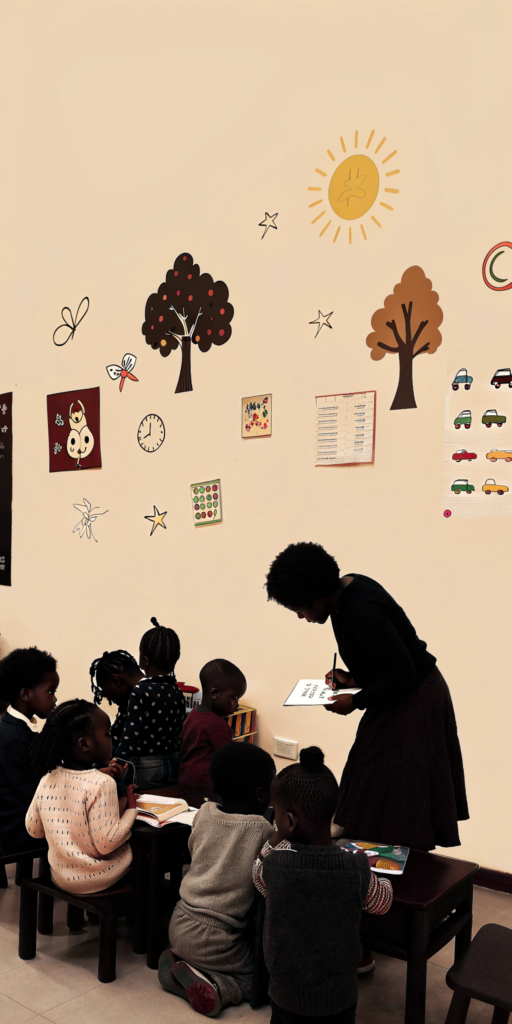
Before children can think critically, they must feel deeply. The Foundation Years focus on establishing emotional foundations: the capacity for empathy, the experience of gratitude, the first encounters with courage and kindness. Films at this stage are emotionally accessible, visually engaging, and deal with themes young children naturally care about: family, friendship, and belonging.
At this age, we’re not building complex moral reasoning. We’re wiring the emotional circuitry that makes moral reasoning possible later. A child who learns to feel empathy at six will be capable of sophisticated ethical thinking at sixteen.
Primary Strengths: Kindness, Love, Curiosity, Gratitude, Vitality, Humour
Film Characteristics: Shorter runtimes, clear emotional arcs, relatable child or animal protagonists, themes of family and friendship, visual storytelling that doesn’t require complex dialogue comprehension

Something shifts around age eight. Children begin to understand that effort matters—that talent alone won’t carry them, that other people have inner lives as complex as their own, and that they belong to communities beyond their family. The Building Years focus on persistence, teamwork, and the first experiences of self-regulation.
At this stage, children can follow more complex narratives, understand character development over time, and engage with themes of challenge and growth. They’re ready to see characters fail and try again, to understand that success requires sustained effort, and to begin grappling with questions of fairness and belonging.
Primary Strengths: Persistence, Love of Learning, Creativity, Citizenship, Social Intelligence, Self-Regulation, Hope
Film Characteristics: Longer narratives with character development, themes of challenge and perseverance, team dynamics and community belonging, age-appropriate difficulty and failure, first encounters with social complexity
Adolescence begins not with a birthday but with a question: “Who am I?” The Transformation Years focus on critical thinking, moral courage, and the formation of identity. Children at this stage are questioning everything—rules they once accepted, beliefs they once held, authorities they once trusted. This questioning is development, not rebellion.
Films at this stage deal with harder themes: injustice, moral ambiguity, the cost of integrity. They show characters who must choose between belonging and authenticity, who face systems larger than themselves, who discover that doing right doesn’t always produce good outcomes. These are not comfortable films, but children this age are ready for discomfort—and need it.
Primary Strengths: Open-mindedness, Perspective, Bravery, Integrity, Fairness, Leadership, Humility, Appreciation of Beauty
Film Characteristics: Morally complex narratives, historical and cultural breadth including international cinema, themes of identity and authenticity, systemic injustice and individual response, no easy answers

The childhood project is ending. The Emergence Years focus on integration—bringing together the strengths developed in earlier stages into a coherent character capable of independent moral reasoning. Young people at this stage are preparing to leave home, facing decisions with lasting consequences, and asking the question that will define their adulthood: What kind of person will I choose to be?
Films at this stage don’t offer simple lessons. They present genuinely difficult questions: How do you forgive yourself? How do you find meaning? How do you create without destroying? These questions don’t have answers—but they have wiser and less wise ways of being held. The films model that wisdom.
Primary Strengths: Forgiveness, Prudence, Spirituality, Hope (mature), Love (complex), Creativity (applied), Persistence (elite)
Film Characteristics: Adult themes handled with maturity, existential and philosophical depth, characters who fail meaningfully, ambiguous endings that require interpretation, preparation for adult moral complexity
Each film in the curriculum comes with comprehensive support materials designed to maximise learning while keeping the experience enjoyable:
Virtue & Strength Context Understanding why this particular strength matters at this developmental stage, and how the film exemplifies it.
Plot & Character Overview Enough context to prepare for viewing without spoiling key moments. Includes content warnings for sensitive material.
Characters to Discuss Specific characters whose journeys illuminate the target strength, with guiding questions for each.
Parent Tips Film-specific guidance including challenging scenes to prepare for, discussion timing, connection activities, and common misunderstandings to address.
General Viewing Tips Age-appropriate advice on creating the viewing environment, engaging during the film, and facilitating discussion afterward.
These films were selected because they’re genuinely excellent—engaging, moving, well-crafted. Children don’t experience them as “educational content” because they’re not. They’re great films that happen to illuminate character strengths. The learning is embedded in the experience, not bolted on.
The film is the catalyst; the conversation is where learning happens. Every film comes with discussion questions, but the goal isn’t interrogation. It’s genuine dialogue—sharing reactions, exploring disagreements, connecting film themes to real life. Some of the best discussions happen days later, unprompted.
Children love rewatching films. This isn’t a problem—it’s an opportunity. Each viewing reveals new layers. A film watched at age six will mean something different at age eight. Encourage revisiting earlier films as children grow; they’ll see things they missed.
We don’t protect children from hard themes—we help them process those themes safely. The films in this curriculum deal with loss, injustice, failure, and moral complexity because life deals with these things. Fiction provides a safe space to encounter difficulty before (or while) experiencing it in reality.
The most powerful teaching happens when children see adults genuinely engaging with these questions—admitting uncertainty, sharing struggles, demonstrating that character development is lifelong. You’re not the expert dispensing wisdom; you’re a fellow traveler on the same journey.
Every film your child watches is shaping their values, whether you’re intentional about it or not. Character Through Cinema makes you intentional—choosing films deliberately, facilitating processing, ensuring the lessons absorbed are ones worth learning.
A film perfect for a thirteen-year-old may be harmful for a seven-year-old—not because of content ratings but because of cognitive and emotional readiness. This curriculum maps films to developmental stages so the right lessons arrive at the right time.
Real character isn’t strong in one area—it’s balanced across many. Courage without prudence becomes recklessness. Love without wisdom becomes obsession. The curriculum builds multiple strengths over time, developing integrated character rather than isolated virtues.
Films create emotional experiences; conversations transform those experiences into understanding. A film watched without discussion may entertain but won’t educate. The viewing guides aren’t optional—they’re where the value lives.
Character Through Cinema isn’t a program to complete but a practice to establish. The habit of watching thoughtfully, discussing openly, and connecting fiction to life serves children (and adults) forever. You’re not just teaching a curriculum—you’re modelling a way of engaging with stories that builds wisdom over a lifetime.
Character isn’t taught in a single lesson. It’s built through a thousand small choices—including the choice of what stories we let into our minds.
The films in this curriculum have been selected, sequenced, and supported to make character development natural, enjoyable, and effective. They’re films your family will love watching together. They’re also films that will shape who your children become.
Schools teach subjects. We teach thinking.
And one of the most powerful ways to teach thinking about character is through the stories that have always taught humanity what it means to live well.
“We don’t raise children to pass tests. We raise children to pass through life—with character.”