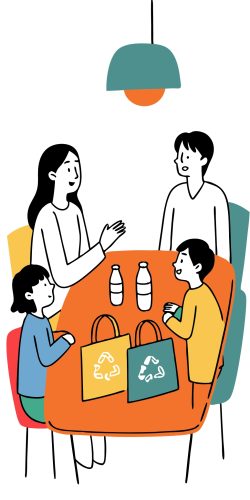
Shifting Away from Consumerism Mindset

In today’s world of constant advertising and instant gratification, teaching children to develop a healthy relationship with consumption is more important than ever.

This guide offers practical strategies and activities designed for children aged 8 and up, helping them understand the difference between wants and needs, develop critical thinking about purchases, and build lasting values around mindful consumption.

Developmental Growth Objective #9

Why Address Consumerism with Children?

Children today are exposed to more advertisements and consumer pressure than any generation before them. 

From social media influencers to targeted online ads, the messages to “buy more” are constant and compelling. 

By teaching children to think critically about consumption from an early age, we help them:

children-build-financial-responsibility-when-they-
  • Develop stronger decision-making skills
  • Build financial responsibility
  • Understand the environmental impact of consumption
  • Create lasting values around material possessions
  • Cultivate gratitude and contentment

A Science Lesson in Money and Consumption

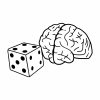
Understanding the psychology behind our spending habits can help children make wiser choices about money and possessions. The Brain Games episode “Money” offers a fascinating exploration of how our brains respond to financial decisions and why we often make irrational choices when it comes to spending.

Through interactive experiments and engaging challenges, children discover how a price tag alone can change how something actually tastes, why the same dollar amount of savings can feel meaningful or meaningless depending on what it’s being compared to, and how a simple visual cue can make people walk right past money lying in plain sight. As children participate in the episode’s activities, they experience firsthand how easily judgment can be swayed by pricing, framing, and competitive pressure — including a real auction where two participants end up paying far more than a $20 bill is worth.

These scientific insights help children recognize the invisible forces that shape their consumer desires, empowering them to pause before purchases, question marketing messages, and make decisions based on genuine value rather than manipulated perceptions.

simple-line-art-drawing-of-a-a-brain-and-two-dice

Interactive Science

Brain Games

Episode: Money

Shows how price, framing, and competition can trick your brain into valuing things differently than they’re actually worth.

Our Four-Strategy Approach

1. Promote Mindful Consumption

This strategy encourages children to be more mindful of their consumption habits and understand the value of items beyond just their material worth. 

Through engaging activities, children learn to make thoughtful decisions about their purchases and develop a deeper appreciation for what they already have.

Featured Activities:

  1. Needs vs. Wants Game
  2. Mindful Grocery Shopping
  3. The Life Cycle of Products
  4. DIY and Upcycling Projects
  5. Gratitude Journal for Belongings
{"aigc_info":{"aigc_label_type":0,"source_info":"dreamina"},"data":{"os":"web","product":"dreamina","exportType":"generation","pictureId":"0"},"trace_info":{"originItemId":"7495003126806646069"}}

For Kids

Bluey:

Episode: Ice Cream
Season 2, Episode 47

The family gets ice creams, but Bluey and Bingo want more than their share. Bandit holds firm — one each, that’s it. When the girls’ ice creams melt because they were too busy arguing, Bandit quietly gives up his own so they don’t miss out entirely. No lecture, no “I told you so” — just a small act of generosity that lands harder than any lesson about greed ever could.

2. Develop Financial Literacy

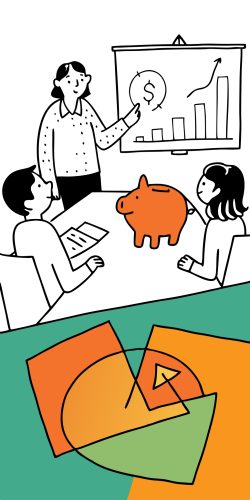
Understanding the value of money and making thoughtful purchasing decisions are crucial skills for children to develop. 

This strategy combines practical money management with engaging activities that make financial concepts accessible and fun.

Featured Activities:

  1. Savings Goal Jar
  2. Budgeting with Play Money
  3. Price Comparison Shopping
  4. Financial Literacy Story Time
  5. The Wants vs. Needs Game
common-word-play

Common Word Play:

5-Character Words: MONEY

Named for a Goddess and worth whatever we agree it is.

{"aigc_info":{"aigc_label_type":0,"source_info":"dreamina"},"data":{"os":"web","product":"dreamina","exportType":"generation","pictureId":"0"},"trace_info":{"originItemId":"7495003126806646069"}}

For Kids

Bluey:

Episode: Granny Mobile
Season 3, Episode 33

Muffin plays a grouchy granny character who haggles fiercely at a pretend market, refusing to accept the first price and negotiating hard for a better deal. Meanwhile, Doreen — the seller — learns that undervaluing what she’s offering means she always loses out. The episode turns a silly game into a surprisingly sharp lesson about knowing what things are worth and having the confidence to stand behind that.

3. Encourage Value-Based Reflections

Through guided reflection and interactive activities, children develop a deeper understanding of value and learn to reduce impulsive buying behaviors. 

This strategy helps them connect their actions with their personal values and long-term goals.

Featured Activities:

  1. Value Discovery Sessions
  2. The ‘Why’ Game
  3. Delayed Gratification Challenge
  4. Philanthropy Project
  5. Consumer Awareness Research
common-word-play

Common Word Play:

6-Character Words: REDUCE

Led back to its essentials.

{"aigc_info":{"aigc_label_type":0,"source_info":"dreamina"},"data":{"os":"web","product":"dreamina","exportType":"generation","pictureId":"0"},"trace_info":{"originItemId":"7495003126806646069"}}

For Kids

Bluey:

Episode: Ghostbasket
Season 3, Episode 48

Bluey invents a game involving a ghost basket that protects important things from disappearing. But as the game unfolds, it becomes clear the episode is really about holding on and letting go — the tension between wanting to keep things safe forever and accepting that some changes can’t be stopped, no matter how tightly you grip.

4. Model and Discuss Conscious Consumption

By modeling conscious consumption habits and discussing their broader impacts, we help children understand the consequences of consumerism and the importance of responsible buying. 

This strategy emphasizes practical application and family involvement in mindful consumer decisions.

Featured Activities:

  1. Eco-Friendly Product Hunt
  2. The Lifecycle of a Product
  3. DIY Upcycling Project
  4. Family Consumption Audit
  5. ‘Needs vs. Wants’ Discussion
common-word-play

Common Word Play:

5-Character Words: SHAPE

The form drawn from the inside out.

{"aigc_info":{"aigc_label_type":0,"source_info":"dreamina"},"data":{"os":"web","product":"dreamina","exportType":"generation","pictureId":"0"},"trace_info":{"originItemId":"7495003126806646069"}}

For Kids

Bluey:

Episode: Exercise
Season 3, Episode 39

Bandit feels self-conscious about his weight and decides to exercise, but his attempts at a serious workout keep getting hijacked by Bluey and Bingo turning everything into a game. What starts as frustration becomes something better — Bandit realises that moving his body with joy and connection is more valuable than punishing himself into shape. The episode models self-acceptance alongside self-improvement, without pretending the tension between them doesn’t exist.

Getting Started

Each strategy section includes age-appropriate activities, discussion prompts, and practical exercises that you can implement with your children. The activities are designed to be engaging, interactive, and adaptable to different age groups and family situations.

Choose the strategy that resonates most with your family’s current needs, or work through them systematically. 

Remember that shifting away from consumerism is a journey, not a destination.

The goal is to help children develop their own thoughtful relationship with consumption while building lasting skills and values.

Tips for Success

1. Start with small, manageable changes
2. Make activities fun and engaging
3. Celebrate progress and learning moments
4. Adapt activities to your family’s interests and needs
5. Model the behaviors you want to encourage
6. Keep discussions open and non-judgmental

Ready to Begin?

Select any of the four strategy sections above to find detailed activities and implementation guides. Each section provides practical tools and approaches that you can start using today to help your children develop a healthier relationship with consumption.

Remember: The goal isn’t to eliminate consumption but to make it more mindful, intentional, and aligned with personal values.

Song: Open Eyes

[Verse 1]
Small footprints in morning sand
Taking life with an open hand
Walking gently upon this ground
Finding worth in the simplest sounds
It’s more than objects that fade away
More than treasures that lead astray

[Chorus, Full band, Stomp-and-Clap rhythm]
We’re learning to live with open eyes
To see beyond the clever disguise
Of wanting more than we really need
Finding freedom in having less indeed
Teaching our hearts to understand
The beauty waiting in this land

[Verse 2]
Four walls filled with plastic things
Can’t replace what true joy brings
Patience found in the things we make
Not in gifts that the earth must take
Rooted deeper than what we see
Growing tall like an ancient tree

[Bridge, Driving Tribal Percussion]
Hands up—for the truth we hunt!
Speak up—for the world we want!
It’s not what we own, but what we host
Returning back to what matters most

[Final Chorus, High Energy]
We’re learning to live with open eyes
To see beyond the clever disguise
Of wanting more than we really need
Finding freedom in having less indeed!

[Outro, Gentle Slide Guitar]
When we finally close our eyes
That’s where the truest treasure lies
(Whisper) Listen to the wind…
Secret Link