
![]()
Have you ever watched a tree bend in strong winds, only to return to its original position when the wind dies down?
Or noticed how metals can be shaped under pressure but need cooling to maintain their new form?
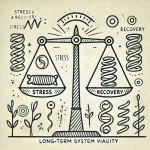
All around us, systems demonstrate this fundamental pattern of stress and recovery – a cycle of pressure and release that’s essential for both stability and growth.
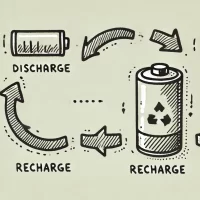
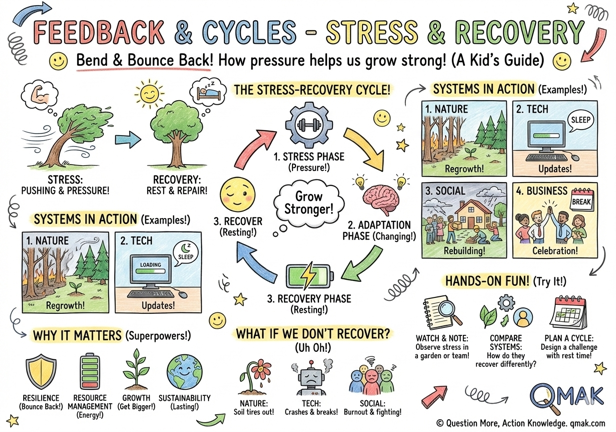
The stress-recovery cycle is a fundamental pattern where systems experience pressure or demands (stress) followed by periods of restoration and repair (recovery).
This cycle appears in natural, technological, social, and organizational systems.
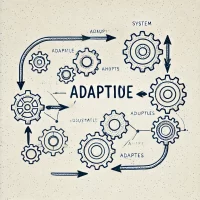
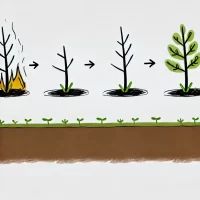
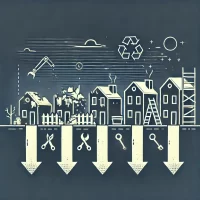
These cycles typically involve three key phases:
Let’s explore how this pattern manifests across various systems:
This pattern is crucial for several reasons:
System Resilience: Understanding how systems handle stress helps build stronger, more adaptable systems
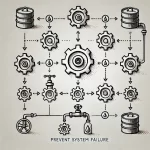
Resource Management: Knowing when to push and when to allow recovery prevents system failure
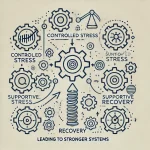
Growth and Development: Controlled stress followed by recovery often leads to stronger systems
Sustainability: Balancing stress and recovery ensures long-term system viability
When systems don’t get proper recovery time, various problems can emerge:
In Natural Systems:
In Technical Systems:
In Social Systems:
Remember, every system, whether natural, technical, or social, needs a balance of stress and recovery to function optimally and grow stronger.
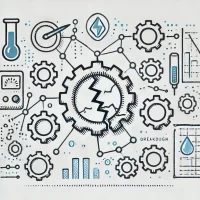
Too much stress without adequate recovery leads to breakdown, while too little stress can result in stagnation. The key is finding and maintaining the right balance for each specific system.
Inside Out provides a brilliant visualization of the stress-recovery cycle through its innovative portrayal of an 11-year-old girl’s emotional system.
Through Riley’s journey of adapting to a new city, students witness how stress disrupts established systems – represented by Joy and Sadness being separated from Headquarters – and how recovery requires reintegrating and rebalancing these disrupted elements.
The film’s clever personification of emotions demonstrates how systems under stress need both breakdown and reconstruction to achieve greater resilience.
As viewers follow Joy’s realization that Sadness plays a vital role in emotional health, they learn how recovery isn’t simply about returning to a previous state but about building more sophisticated systems that can handle future challenges.
Through the metaphor of Riley’s emotional control center, the film shows how stress can serve as a catalyst for necessary system evolution, provided proper recovery mechanisms are in place to support adaptation and growth.