
![]()
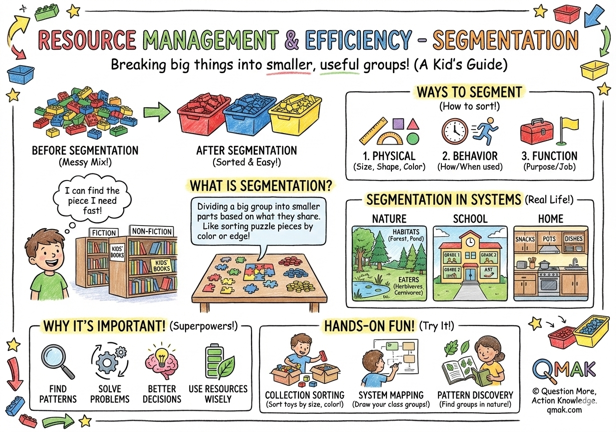
Have you ever sorted your LEGO pieces by color or size to find the ones you need more easily?
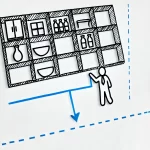
Or noticed how a library organizes books into different sections like fiction, non-fiction, and children’s books?
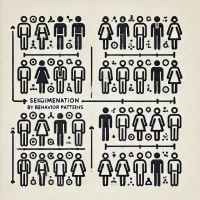
This is segmentation – breaking down something big and complex into smaller, more manageable groups that share similar characteristics.
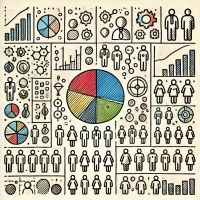
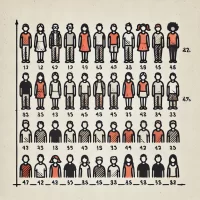
Segmentation is the process of dividing a large system or group into smaller parts or segments based on shared characteristics.
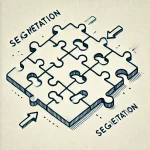
It’s like sorting a big jumble of puzzle pieces into groups based on color or edge pieces – it helps us see patterns and connections we might miss when looking at everything all at once.
There are several ways to break things down into segments:
Let’s see how segmentation works in various systems:
Segmentation helps us:
Find Patterns: Discover similarities and differences
Solve Problems: Break big challenges into smaller parts
Make Better Decisions: Understand specific needs of different groups
Use Resources Wisely: Target efforts where they’ll work best
Improve Organization: Keep things neat and accessible
When we segment systems effectively:
Remember, segmentation isn’t just about organizing things – it’s about understanding systems better by looking at their parts in meaningful ways.
Like sorting LEGO pieces or organizing books in a library, good segmentation helps us work with complex systems more effectively by breaking them down into manageable, meaningful groups.
The Hunger Games provides a dark but powerful examination of segmentation through its portrayal of Panem’s strictly divided district system.
Through Katniss Everdeen’s journey from District 12 to the Capitol, students witness how segmentation can create both efficiency and inequality within complex systems.
The film demonstrates how dividing a nation into specialized units – from District 12’s coal mining to District 11’s agriculture – enables focused resource production but also breeds systemic disparities and social control.
As viewers follow the stark contrasts between the opulent Capitol and impoverished districts, they learn how segmentation can evolve from a tool for organization into a mechanism for oppression.
Through the annual Hunger Games ritual itself, the film reveals how deliberately maintained boundaries between segments can prevent collaboration and reinforce power imbalances, showing why thoughtful integration across system divisions becomes crucial for preventing exploitation and promoting equity.