
At QMAK, we believe that developing a mindset that protects the asset that is most precious and valuable is an essential component of a well-rounded homeschooling education. By helping our children cultivate this mindset, we empower them to make the most of their time and achieve their goals.
Author Archives: Ian Mack
Navigating the Information Landscape: Insights for Homeschooling Teens from “Too Much Information”

As homeschooling parents and educators, it’s essential to understand the different types of information and their potential impact on our teenagers’ well-being. By doing so, we can help them navigate the complex information landscape and make informed decisions about the content they consume.
Helping Teens Manage Their Inner Voice: Insights from the Book “Chatter”
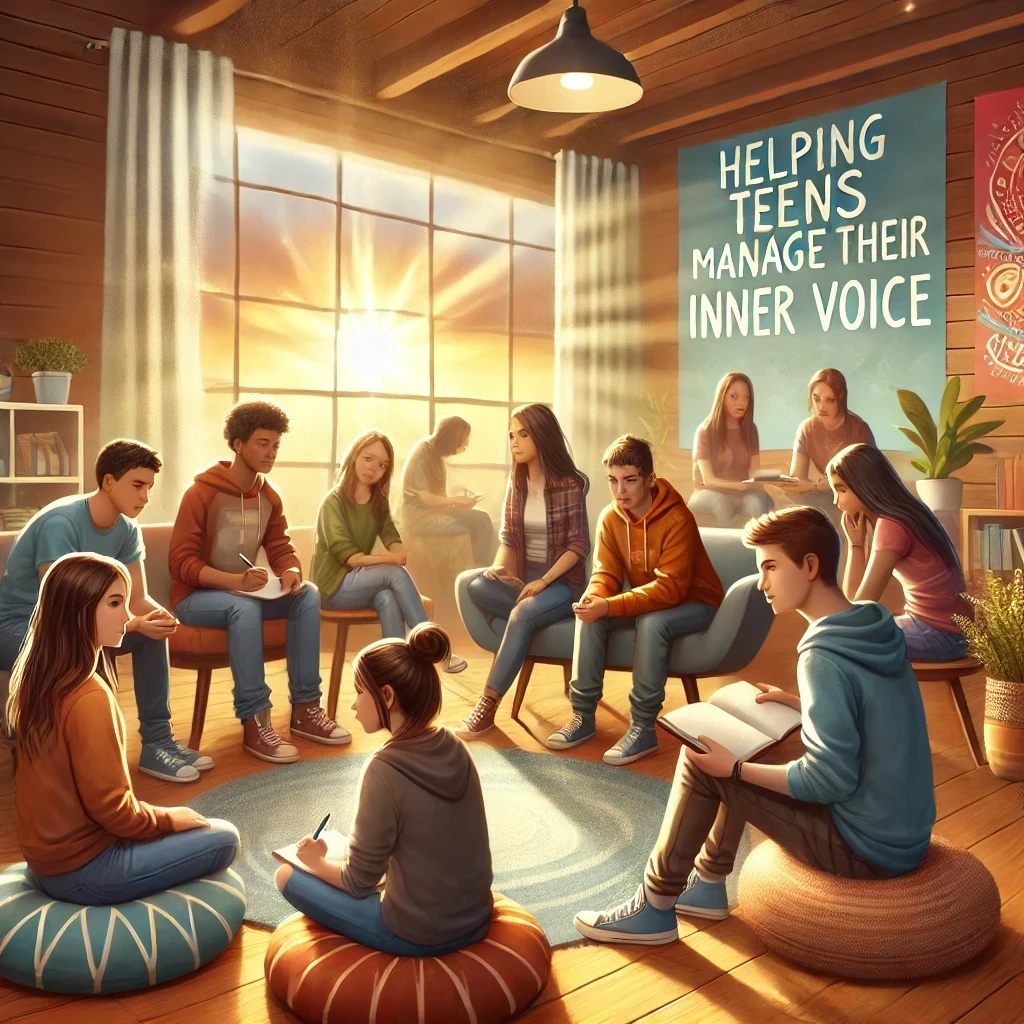
“Chatter” refers to the negative self-talk that can consume our minds, hindering our performance, well-being, and social connections. For teenagers, who are navigating a crucial stage of personal development, learning to manage their inner voice is a vital skill that can have far-reaching benefits.
The Rubik’s Cube: A Puzzling Journey of Creativity and Entrepreneurship
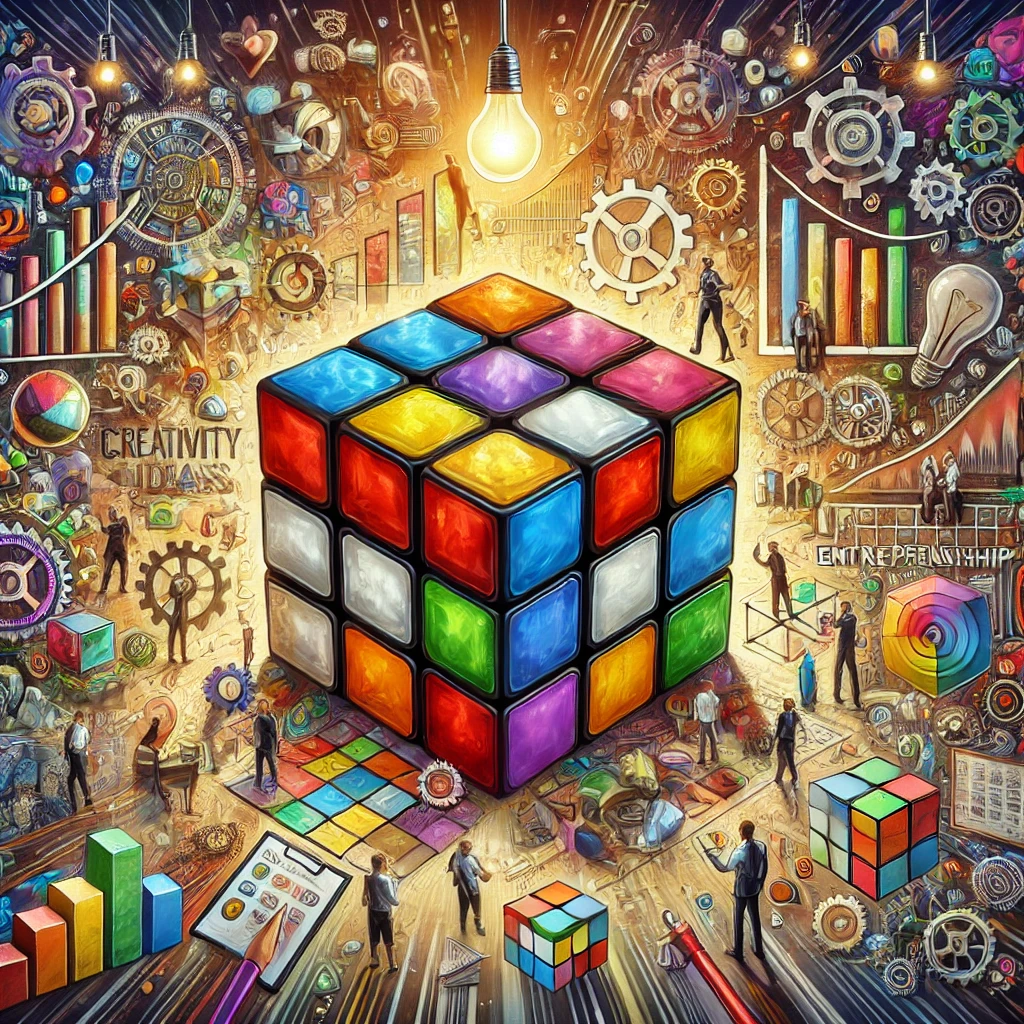
As homeschooling parents and educators, we can learn valuable lessons from the Rubik’s Cube and its creator. Rubik’s journey is a testament to the power of curiosity and the importance of pursuing one’s passions. In his autobiographical account “Cubed,” Rubik emphasizes the role of curiosity in his creative process: “I was just tremendously curious. I wanted to find something out. Even if I didn’t know exactly what that something was.”
Encouraging Whole-Brain Thinking in Homeschoolers

The concept of whole-brain thinking is rooted in the understanding that our brains have different thinking styles, each with its own strengths and weaknesses. In their book “Strategy of the Dolphin,” authors Dudley Lynch and Paul L. Kordis identify four main thinking styles: the carp, the shark, the pseudo-enlightened carp, and the dolphin.
Unleashing Transformative Learning Through our ”Question More” Philosophy

Unleashing Transformative Learning Through our “Question More” Philosophy At the heart of QMAK’s educational approach lies a deceptively simple yet profoundly powerful concept: “Question More.” This pillar of our “Question More, Action Knowledge” philosophy goes far beyond merely encouraging curiosity – it’s a call to cultivate a radical mindset shift that allows for the most …
Continue reading “Unleashing Transformative Learning Through our ”Question More” Philosophy”
The Silencing of Childhood Curiosity

The Silencing of Childhood Curiosity: How Societal Expectations Suppress Young Minds From the moment they can speak, children are overflowing with questions – constant inquiries about the world around them, an insatiable thirst for knowledge and understanding. “Why is the sky blue?” “How do birds fly?” “What makes a rainbow?” This natural inquisitiveness is not …
Navigating Divides with Bridge Questions

Navigating Divides with Bridge Questions: A Pathway to Understanding and Connection In our increasingly polarized world, disagreements and conflicting viewpoints often seem insurmountable – the divides between us so vast that finding common ground feels like an impossible task. Yet, there is a powerful tool that can help us navigate these divides not through adversarial …
The Transformative Power of Active Listening

The Transformative Power of Active Listening In our fast-paced, technology-driven world, a remarkable yet often overlooked skill can be the key to fostering meaningful connections and unlocking insights: active listening. True active listening goes far beyond the passive act of hearing someone speak. It is a conscious, empathetic process that requires dedicated effort and specific …
Continue reading “The Transformative Power of Active Listening”
The Path to Purposeful Identity

The Path to Purposeful Identity From an early age the question of “Who am I?” lies at the heart of every child’s journey. It is a quest that extends far beyond superficial labels and into the deepest layers of identity and self. For it is only through an intimate understanding of our unique characteristics, beliefs, …