
![]()
Have you ever watched a dishwasher clean dishes all by itself, or seen how a vending machine gives you snacks without needing anyone to help?
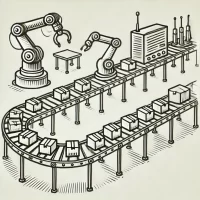
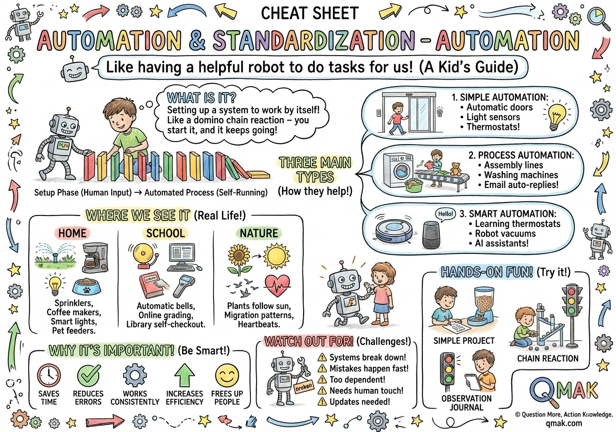
These are examples of automation – when we create systems that can work on their own without needing constant human attention, like having a helpful robot that can do tasks for us!
Automation means setting up a system to work by itself, following preset instructions without needing someone to control it every step of the way.
It’s like creating a domino chain reaction – once you set it up and start it, it keeps going on its own.
There are three main types of automation:
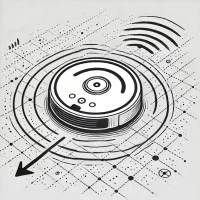
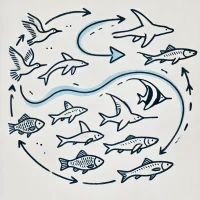
Let’s explore how automation appears in various systems:
Automation helps systems by:
Saving Time: Doing repetitive tasks quickly
Reducing Errors: Following exact instructions
Working Consistently: Operating without getting tired
Increasing Efficiency: Doing more with less effort
Freeing Up People: Allowing focus on creative tasks
Automation isn’t always perfect.
Here are some challenges:
Remember, automation is like having a helpful assistant that can handle routine tasks for us. Just like a dishwasher that cleans dishes automatically or a thermostat that keeps rooms at the right temperature, good automation makes life easier by taking care of repetitive jobs.
But it’s important to remember that automation works best when we understand its strengths and limitations, and know when human involvement is still needed.
WALL-E provides a thought-provoking exploration of automation through its portrayal of a future where machines have become responsible for every aspect of human existence.
Through the contrast between WALL-E’s solitary work on Earth and the totally automated life aboard the Axiom spaceship, students witness how automation can either serve human needs or gradually replace human agency entirely.
The film demonstrates automation’s double-edged nature – while WALL-E represents productive automation working to restore Earth’s environment, the Axiom shows how excessive automation can lead to human atrophy and systemic fragility.
As viewers follow the inhabitants’ journey from passive consumers to active participants in their own destiny, they learn how automation must be balanced with human engagement and purpose.
Through its clever blend of whimsy and warning, the film shows why thoughtfully managing the relationship between human and machine capabilities becomes crucial for creating sustainable automated systems that enhance rather than diminish human potential.