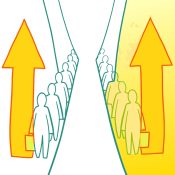
Have you ever been stuck in a long line at an amusement park, waiting to ride your favourite roller coaster?
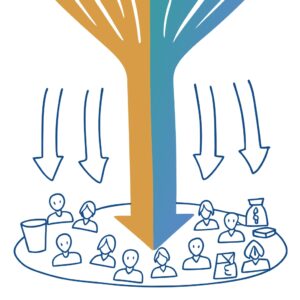
Or maybe you’ve tried to pour a big bucket of sand through a small funnel, and it took forever?
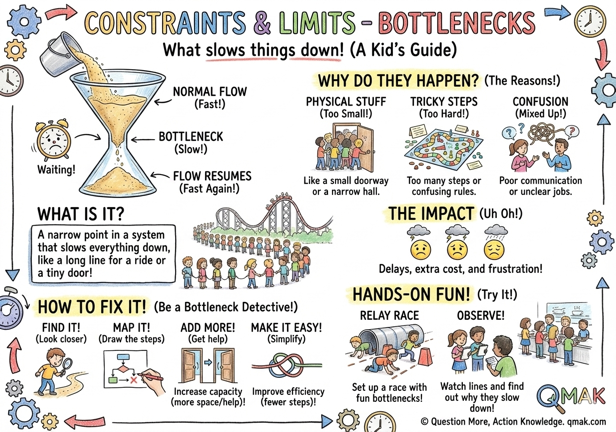
These are examples of bottlenecks – situations where something gets slowed down or blocked because of a specific point of congestion or restriction.
Bottlenecks are all around us, and understanding how they work can help us identify and overcome obstacles that might be limiting our progress or preventing us from achieving our goals.
A bottleneck is a part of a system that limits the overall output or flow of that system. It’s like a narrow point in a stream that causes the water to slow down or get backed up.
Bottlenecks can occur in all kinds of systems, from manufacturing plants to transportation systems to even our daily routines.
There are several reasons why bottlenecks can happen:
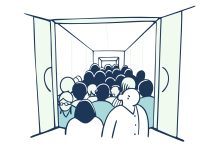
Physical Constraints: Sometimes, there’s a physical limitation that creates a bottleneck. For example, a narrow hallway or a small doorway can cause people to bunch up and move more slowly.
Process Inefficiencies: If a system or process isn’t designed well, it can create bottlenecks. For example, if there are too many steps involved in completing a task, it might take longer than necessary.
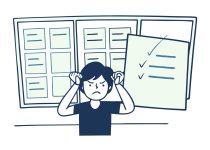
Management Problems: Poor communication, lack of organization, or unclear responsibilities can also lead to bottlenecks, causing delays and inefficiencies.
Bottlenecks can have a big impact on how well a system performs.
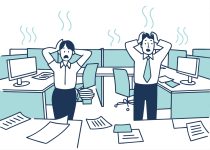
They can cause delays, increase costs, and even lead to frustration or dissatisfaction.
In some cases, bottlenecks can even cause a system to fail completely.
The good news is that bottlenecks can be identified and addressed.
Here are some ways to do that:
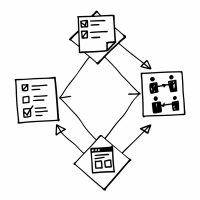
By breaking down a process into its individual steps, you can often spot the points where things get slowed down or congested.
Keeping track of how well a system is functioning can help you pinpoint areas where bottlenecks might be occurring.
If you can identify the root cause of a bottleneck, you’re more likely to find an effective solution.
Once a bottleneck has been identified, there are several ways to overcome it, such as:
Sometimes, adding more resources or expanding a physical space can help eliminate a bottleneck.
Finding ways to streamline a process or make it more efficient can reduce bottlenecks.
Better communication, organization, and accountability can help prevent bottlenecks caused by management issues.
To really understand bottlenecks, it’s helpful to experience them firsthand.
Here are some fun activities to try:
Remember, bottlenecks are all around us, and understanding how they work can help us become more efficient, productive, and successful in all areas of our lives.
Rango offers a compelling exploration of bottlenecks through the lens of a water-scarce desert town struggling for survival. Through a misplaced chameleon’s journey to become a hero, viewers witness how bottlenecks emerge when a vital resource is systematically controlled—from the physical diversion of pipelines to the economic bottleneck created by the Mayor’s hoarding of “liquid currency.”
The film demonstrates how identifying and addressing these constraints is essential for the town’s recovery, as Rango transitions from a bumbling actor to a systems-thinker who realizes the “clog” isn’t just a lack of rain, but a deliberate manipulation of flow. As the mystery unfolds, the story shows how an artificial bottleneck can be used to stifle a community or, when broken, can restore the entire ecosystem’s health.
Through the quirky backdrop of the Mojave Desert, the film illustrates how recognizing and systematically challenging constraints—whether they are physical valves or corrupt power structures—can transform a dying system into a thriving one.