
At the core of our transformative educational philosophy lies a deep understanding of the key ingredients that shape the learning experience. We recognize that the process of acquiring knowledge and skills is not a one-size-fits-all endeavor, but rather a delicate alchemy influenced by a myriad of factors unique to each individual learner. By comprehending and skillfully weaving together these elements, we unlock the pathways to profound and lasting learning.
Category Archives: Question More
Nurturing Passion and Vision in Young Minds

We understand that the seeds of greatness are planted in the fertile soil of passion and vision. It is our mission to cultivate these vital elements in the hearts and minds of our students, empowering them to become the visionary entrepreneurs and conscious leaders of tomorrow.
The Questions That Unlock Entrepreneurial Success

At the heart of QMAK’s “Question More” philosophy lies a profound truth – the quality of our questions shapes the quality of our lives. This wisdom is especially vital for young entrepreneurs looking to navigate the thrilling but challenging world of business.
Empowering Young Minds: Cultivating Critical Thinking

In today’s rapidly changing world, the ability to think critically has become an essential skill for success. At QMAK, we understand that developing critical thinking abilities from an early age can profoundly impact a child’s academic, personal, and professional trajectory. That’s why we’ve crafted a transformative homeschooling experience that nurtures the knowledge, skills, and dispositions necessary for our students to become exceptional critical thinkers.
The Driving Force of Motivating Doubt: Catalyzing Critical Thinkers Through Inquiry and Application

At the heart of QMAK’s holistic educational approach is the understanding that true learning emerges not from passive information absorption, but from viscerally grappling with uncertainties and gaps in one’s knowledge. We call this purposeful gap-creating the instillation of “motivating doubt.”
Unlocking 360° Reasoning: How Six Thinking Hats Expand Young Minds
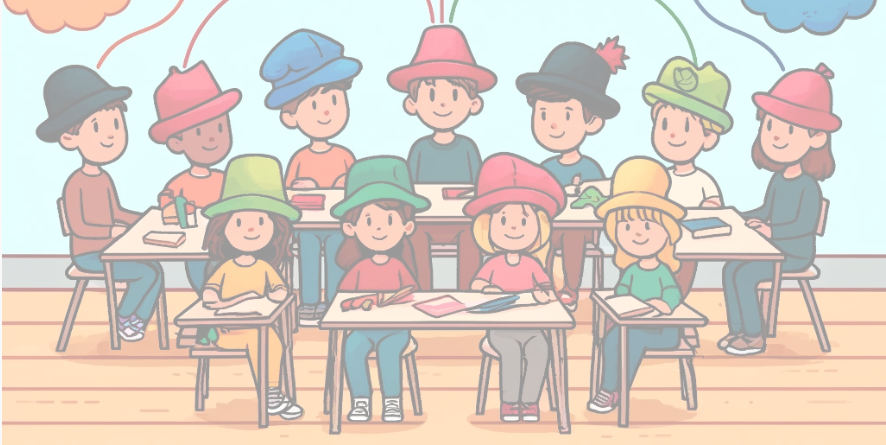
At the core of QMAK’s “Question More” approach is nurturing kids’ ability to explore ideas from multiple vantage points. By exercising this intellectual flexibility, students develop the comprehensive awareness and creative fluency to tackle complex challenges.
Statistical Truth-Seeking: Arming Young Minds Against Deception

In today’s data-saturated world, numbers and statistics hold a powerful sway over discourse and decision-making. Yet these seemingly objective figures can also be distorted or weaponized to manufacture false narratives.
At QMAK, our “Question More” philosophy centers on nurturing generations of critical thinkers – young people with the courage and skills to scrutinize claims, separate fact from fiction, and ultimately uncover deeper truths.
Awakening Young Minds: How Clean Language Nurtures Childhood Consciousness

At the heart of QMAK’s educational approach are two fundamental principles: nurturing an insatiable curiosity through questioning, and elevating consciousness to unlock human potential. An innovative methodology called Clean Language provides a powerful avenue for achieving both aims during the formative childhood years.
Embracing Openness: The Power of Deferring Judgment in Questioning

We understand the transformative power of questions—not just as tools for obtaining information but as catalysts for deeper understanding and innovative thinking. An essential aspect of harnessing this power lies in deferring judgment when posing and answering questions. By suspending immediate judgments, we foster an environment conducive to exploration, creativity, and collaborative learning.
The Power of Questions: Open vs. Closed in the Classroom
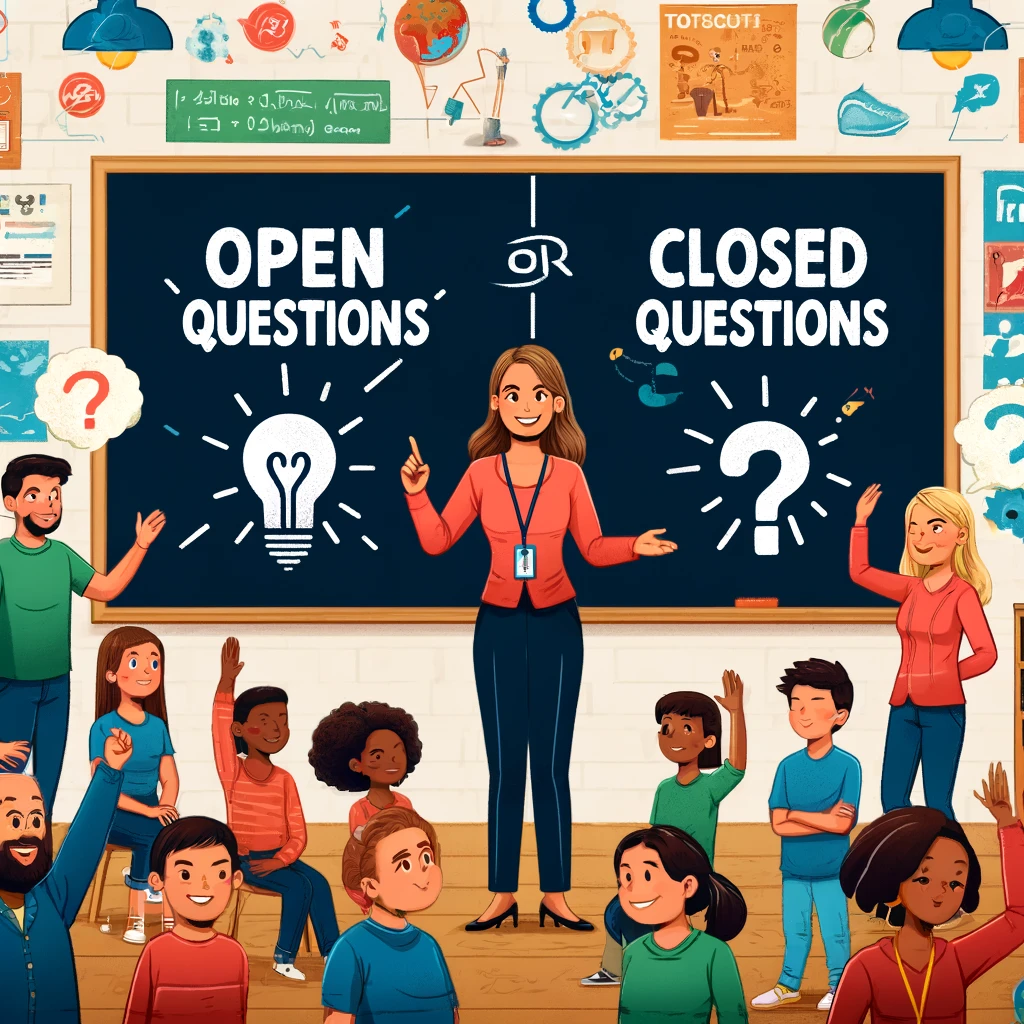
Ever noticed how some questions just seem to spark more interesting conversations than others? It all comes down to whether you’re asking open or closed questions. As teachers and parents, understanding this difference can be a real game-changer for engaging kids and nurturing their curiosity.